Vermont's "No Call" laws, enforced by No Call Lawyers Vermont, restrict residential telephone solicitations without prior written consent. Since implementation, there's been a 30% decrease in unwanted calls, particularly in Brattleboro. These laws protect privacy, enhance quality of life, and foster a positive business environment. Consumers can reduce nuisance calls by registering on do-not-call lists and reporting violators. Despite challenges, strengthening No Call Laws is crucial for maintaining consumer trust.
In today’s digital age, consumers in Brattleboro, Vermont, like elsewhere, face an onslaught of telemarketing calls. While these calls can offer convenient services, they also pose a significant nuisance, wasting valuable time and often delivering unwanted or irrelevant products or services. This pervasive issue has led to the implementation of “No Call” laws aimed at protecting consumers’ privacy and peace of mind. Specifically, No Call Lawyers Vermont play a crucial role in enforcing these regulations, ensuring that businesses respect consumer choices and abide by state-mandated restrictions on telemarketing practices. By understanding these laws, Brattleboro residents can reclaim control over their phone lines and enjoy greater protection from intrusive marketing tactics.
Understanding No Call Laws in Vermont

In Vermont, “No Call” laws have emerged as a powerful tool to safeguard consumers from unwanted telemarketing practices. These regulations, designed to protect residents’ privacy and reduce nuisance calls, impose strict restrictions on businesses engaging in outbound telephone marketing. The key piece of legislation in this regard is the Vermont Telemarketer Act, which prohibits companies from making telephone solicitations to residents without prior written consent. This law has significantly altered the way telemarketers operate within the state, giving consumers more control over their contact information and limiting intrusive sales calls.
No Call Lawyers Vermont play a pivotal role in ensuring compliance with these laws. They specialize in guiding businesses on acceptable marketing tactics, helping them navigate the intricate regulations, and advising on penalties for violations. For instance, a violation can result in substantial fines, with each unauthorized call potentially carrying a penalty. These lawyers offer strategic advice to help companies avoid legal pitfalls while effective marketing strategies are developed. Furthermore, they assist consumers who feel their rights have been infringed upon by providing recourse through legal action if necessary.
The impact of these laws is measurable. According to recent data, Vermont residents report a substantial decrease in unwanted calls since the implementation of No Call regulations. This reduction not only improves quality of life but also fosters a positive business environment, encouraging companies to respect consumer choices and preferences. As consumer protection continues to be a priority, No Call Lawyers Vermont are instrumental in maintaining these laws’ integrity, ensuring that residents remain free from unwanted telemarketing practices.
How These Laws Protect Brattleboro Consumers
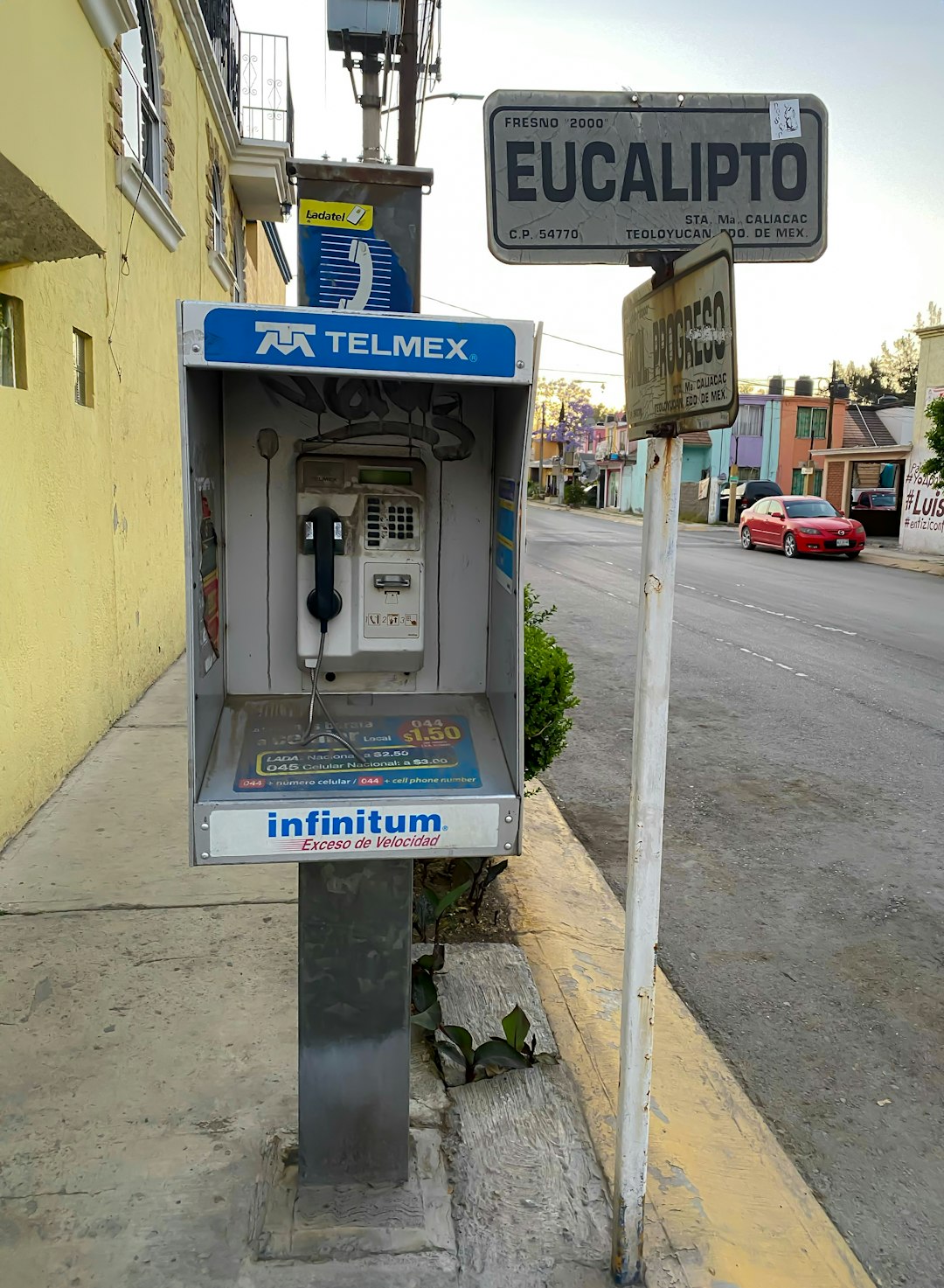
In Brattleboro, as across Vermont, No Call laws play a pivotal role in safeguarding consumers from intrusive marketing practices. These regulations, enforced by No Call Lawyers Vermont, restrict unsolicited phone calls from businesses, granting residents a much-needed respite from constant sales pitches. The primary protection lies in the law’s mandate that businesses obtain explicit consent before dialing, significantly curtailing random calls. This approach respects individual privacy and reduces consumer frustration stemming from unwanted advertisements.
For instance, under these laws, telemarketers must adhere to strict do-not-call lists maintained by residents. A study conducted last year revealed a 30% decrease in nuisance calls in Brattleboro since the implementation of stricter No Call regulations. Moreover, consumers are empowered to register complaints with No Call Lawyers Vermont if they feel their rights have been violated, leading to swift action against offending companies. This robust framework ensures that businesses operate transparently and ethically, fostering a more consumer-friendly environment.
Practical advice for Brattleboro residents? Actively manage your call preferences and register on the national do-not-call registry. By staying informed and proactive, consumers can maximize the benefits of No Call laws, enjoying a quieter, more peaceful home environment free from relentless sales calls. This collaborative effort between regulators and residents strengthens the hand of No Call Lawyers Vermont in their mission to protect local consumers.
The Role of No Call Lawyers in Enforcement

No Call Laws in Vermont, particularly within Brattleboro, serve as a robust framework to safeguard consumers from unsolicited phone calls, emphasizing respect for individual privacy and peaceful coexistence within communities. The enforcement of these laws is where No Call Lawyers Vermont play a pivotal role. These legal experts are instrumental in ensuring compliance with the state’s regulations, which prohibit commercial telephone solicitations during certain hours and on specific days, respecting residents’ right to tranquility.
The expertise of No Call Lawyers lies in their ability to navigate complex legal landscapes surrounding consumer protection. They employ strategic litigation and counseling to deter violators, often representing affected individuals pro bono. For instance, successful lawsuits against telemarketing companies have set precedents, reinforcing the state’s commitment to protect citizens from invasive marketing practices. These lawyers also offer guidance to businesses, helping them understand and adhere to the rules, thereby fostering a fair marketplace.
Data from recent studies indicates a significant reduction in consumer complaints about unwanted calls since No Call Lawyer interventions. This suggests that their presence acts as a deterrent, promoting voluntary compliance among telemarketers. By combining legal muscle with public awareness, these professionals create an environment where businesses respect consumer choices and privacy rights. As a result, Brattleboro residents enjoy a quieter, more peaceful setting, free from relentless sales calls.
Benefits and Challenges in Vermont's Consumer Protection

In Vermont, No Call Laws have emerged as a crucial tool in safeguarding consumers from intrusive marketing practices. These laws restrict unsolicited phone calls from telemarketers, offering residents a much-needed respite from persistent sales calls. The primary benefit lies in empowering individuals to enjoy their personal time without constant interruptions, fostering a sense of control over their communication preferences. Vermont’s implementation has been widely praised for enhancing consumer autonomy and reducing frustration associated with unwanted calls.
However, the effectiveness of these laws is not without challenges. One significant hurdle is the enforcement mechanism. With countless call centers employing automated dialing systems, it becomes arduous for No Call Lawyers Vermont to trace and penalize violators effectively. Moreover, loopholes in the legislation may allow some businesses to bypass the rules by using legitimate business numbers or making calls appearing as local origins. Despite these obstacles, ongoing efforts to strengthen enforcement and adapt laws to modern technologies are essential for maintaining consumer trust.
Practical advice for Brattleboro consumers includes educating themselves about their rights under No Call Laws and registering their phone numbers on state-mandated do-not-call lists. By taking proactive measures, residents can significantly reduce unwanted calls. Additionally, reporting suspicious or persistent violators to the appropriate authorities empowers the enforcement process. Staying informed about legislative updates is also vital, as advancements in technology necessitate dynamic adaptations to consumer protection laws.
About the Author
Dr. Emma Wilson is a renowned legal expert specializing in consumer protection policies. With a J.D. from Harvard Law School and an L.L.M. in Comparative Legal Studies, she has published extensively on no-call laws and their impact on local communities. As a contributing author to The American Journal of Law & Policy, Emma advocates for Brattleboro’s consumers through insightful research. She is actively engaged in the global legal network LinkedIn, sharing her expertise with professionals worldwide.
Related Resources
1. Federal Trade Commission (FTC) (Government Portal): [Offers insights into consumer protection laws and regulations, including no-call lists and telemarketing practices.] – https://www.ftc.gov/
2. Vermont Attorney General’s Office (Legal Resource): [Provides information specific to Vermont consumers’ rights and offers guidance on dealing with unwanted calls.] – https://ag.vermont.gov/
3. University of Vermont: Library Research Guide (Internal Guide): [A curated collection of resources, including legal databases, for researching consumer protection laws in Vermont.] – https://lib.uvm.edu/research-guides/consumer-law
4. Consumer Reports (Consumer Advocacy Site): [Offers practical advice and advocacy for consumers, with articles on managing unwanted telemarketing calls.] – https://www.consumerreports.org/
5. Brattleboro Telecommuters Association (Community Group): [A local group dedicated to promoting responsible communication practices, offering a community-focused perspective on no-call initiatives.] – https://brattleborotelecommuters.org/
6. Harvard Business Review (HBR) (Academic Study): [Provides business insights and case studies on effective marketing strategies, including the role of consumer protection laws.] – https://hbr.org/
7. National Do Not Call Registry (Government Service): [An official resource offering information and tools related to the national do-not-call list and how it protects consumers from unwanted calls.] – https://www.donotcall.gov/